Advancing the environmental and economic security of the state by promoting alternative fuels and advanced vehicle technologies, reducing greenhouse gas emissions, and improving air quality.
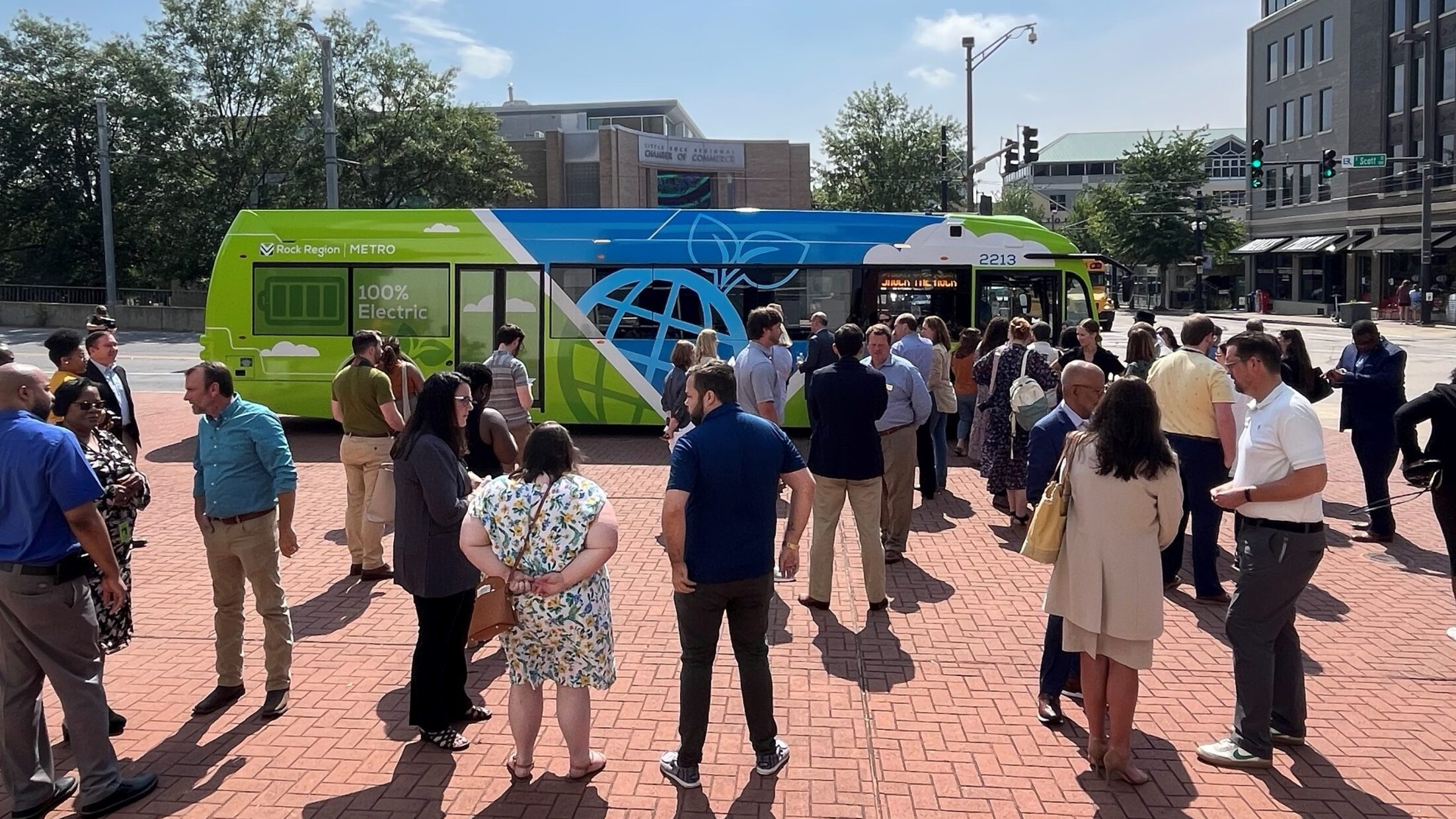
Our Promise
We promise to protect The Natural State by supporting cleaner, smarter transportation that aims to keep Arkansas’ air fresh, skies clear, and communities healthy. By promoting alternative fuels and advanced vehicle technologies, we are reducing harmful emissions, lowering greenhouse gases, and helping families and businesses thrive in a safer, cleaner environment. This work is about more than vehicles, it’s about honoring our rivers, forests, and open spaces, and making sure every Arkansan can enjoy the natural beauty that gives our state its name. Protecting The Natural State is our promise, our commitment, and our shared responsibility to all who call Arkansas home.
Alternative Fuel Resources in Arkansas
Arkansas is making strides toward a cleaner, more sustainable transportation future by embracing a variety of alternative fuels. These fuels help reduce emissions, lower fuel costs, and support energy independence. Below are the three most commonly used alternative fuels in the state. Click on each to learn more about how they work and where they’re used.
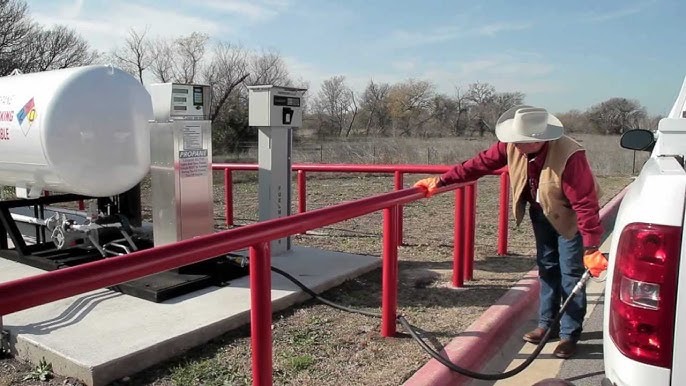
Propane (LPG – Liquefied Petroleum Gas)
- Propane is a clean-burning fuel often used in school buses, delivery trucks, and off-road vehicles.
- It’s stored as a liquid in pressurized tanks and produces fewer greenhouse gas emissions than gasoline or diesel.
- Propane is cost-effective and widely available across Arkansas through an established fuel network.
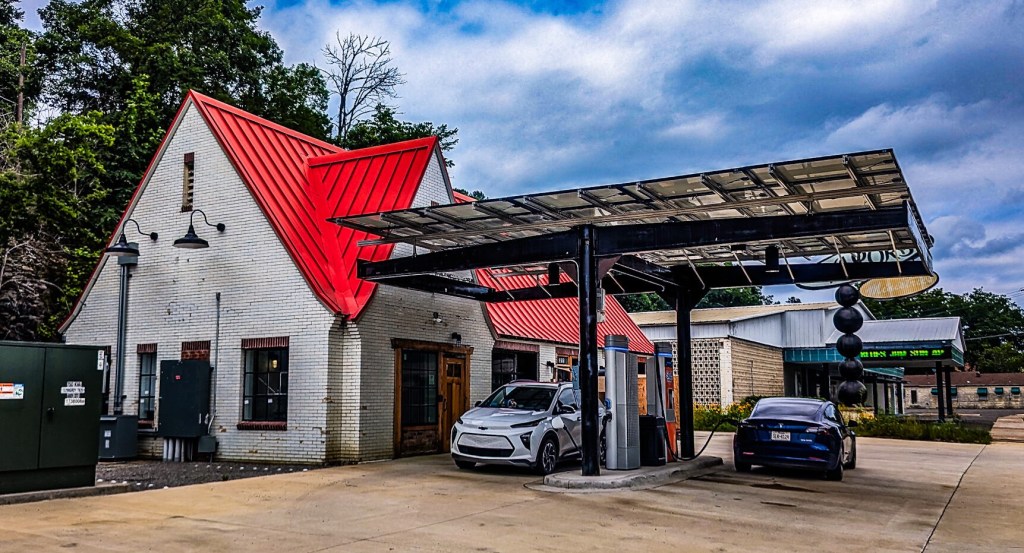
Electricity (EV – Electric Vehicles)
- EVs run on electricity stored in rechargeable batteries and produce zero tailpipe emissions.
- They can be charged at home or at public charging stations, which are growing in number throughout the state.
- EVs typically have lower fuel and maintenance costs compared to gasoline-powered vehicles
Compressed Natural Gas (CNG)
- CNG is a natural gas that’s compressed for use as a fuel in vehicles like transit buses, trucks, and fleet vehicles.
- It burns cleaner than gasoline or diesel, helping improve air quality and reduce carbon emissions.
- CNG can be a more affordable option for fleets with access to fueling infrastructure
“Progress toward a cleaner, more sustainable Arkansas starts with collaboration. By working together to expand alternative fuels and advanced transportation, we’re improving air quality, reducing emissions, and supporting a stronger economy for our communities.”
Barrett Hunnicutt
Executive Director, Arkansas Clean Cities
Watch, Read, Listen
Stay connected
Subscribe to the ACC monthly newsletter or fallow us on our social media’s for the latest on clean transportation in Arkansas.
